London mixes royal history, free world-class museums, food markets and a busy evening scene. Most of the famous sights sit in a fairly compact central area, so with a little planning you can see a lot in a few days without spending all your time on the Tube.
This guide covers the main landmarks, some less obvious places, the best free attractions, markets, nights out and neighbourhoods, followed by practical tips and sample plans for two, four and seven days.
Explore Iconic Landmarks in London
London’s best-known sights tell the story of the city from its medieval fortress to its modern skyline. Most are in central London, so you can group them by area and walk between several in a morning.
Tower of London
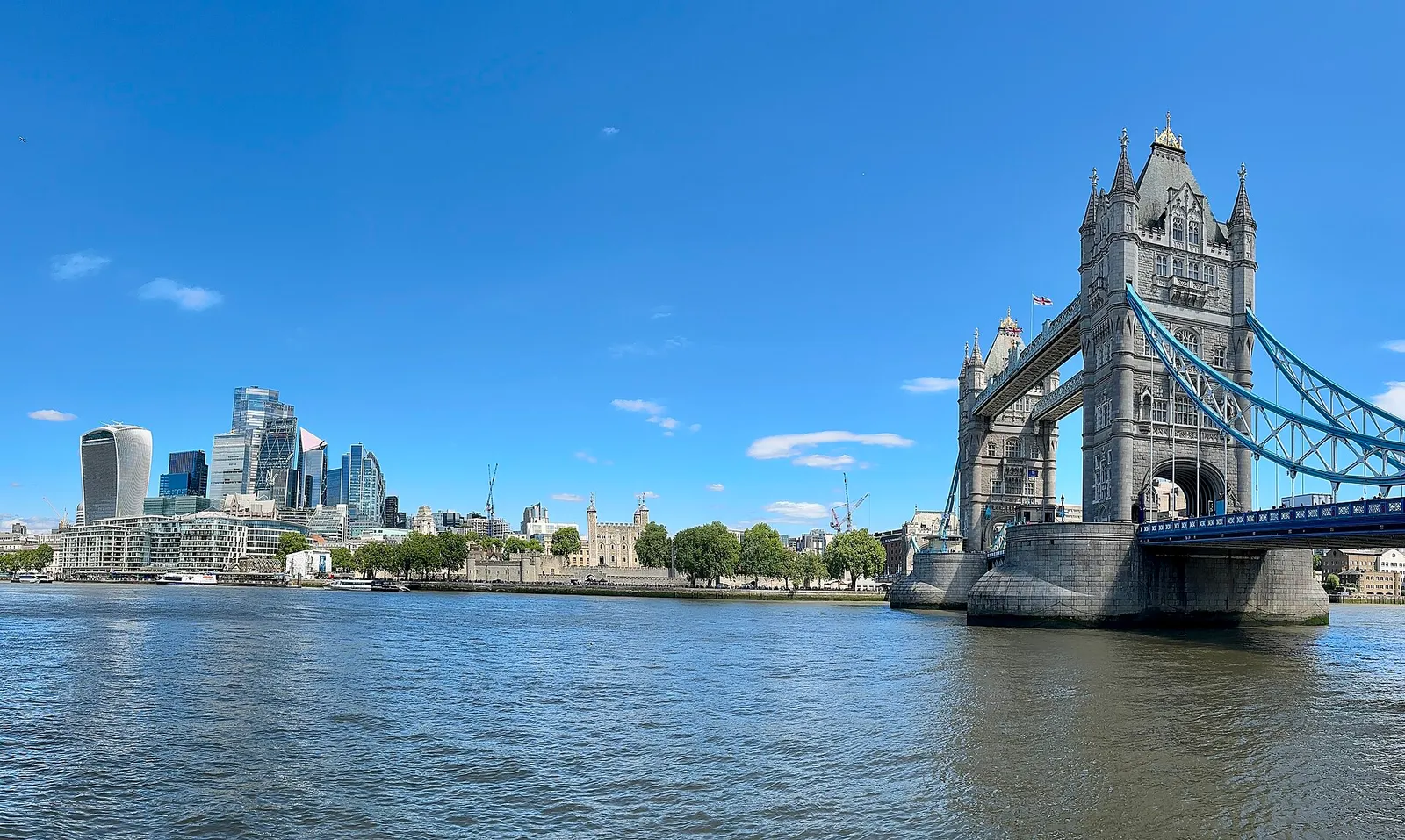
Built in the 11th century, the Tower of London has served as a royal palace, a prison and a treasury. It is a UNESCO World Heritage Site and home to the Crown Jewels, which are kept in the Jewel House inside the fortress walls.
Tours led by the Yeoman Warders, often called Beefeaters, bring the Tower’s history to life with stories of royal prisoners, executions and the ravens that live in the grounds. You can also explore the White Tower, the Bloody Tower and the medieval walls.
Book tickets online before you go and arrive early in the day for smaller crowds. The Tower sits beside the Thames next to Tower Bridge, so the two are easy to combine.
Buckingham Palace and Changing of the Guard
Buckingham Palace is the London home and office of the monarch. The Changing of the Guard takes place in front of the palace on scheduled mornings, with soldiers in red tunics and bearskin hats marching to music. It is free to watch but gets crowded, so arrive 30 to 45 minutes early for a good view, and check the dates in advance because the ceremony does not happen every day.
In summer, the State Rooms open to visitors with a paid ticket. The palace sits between St James’s Park and Green Park at the end of The Mall, and Westminster Abbey is a short walk away, which makes a good half-day route.
Westminster Abbey and Big Ben
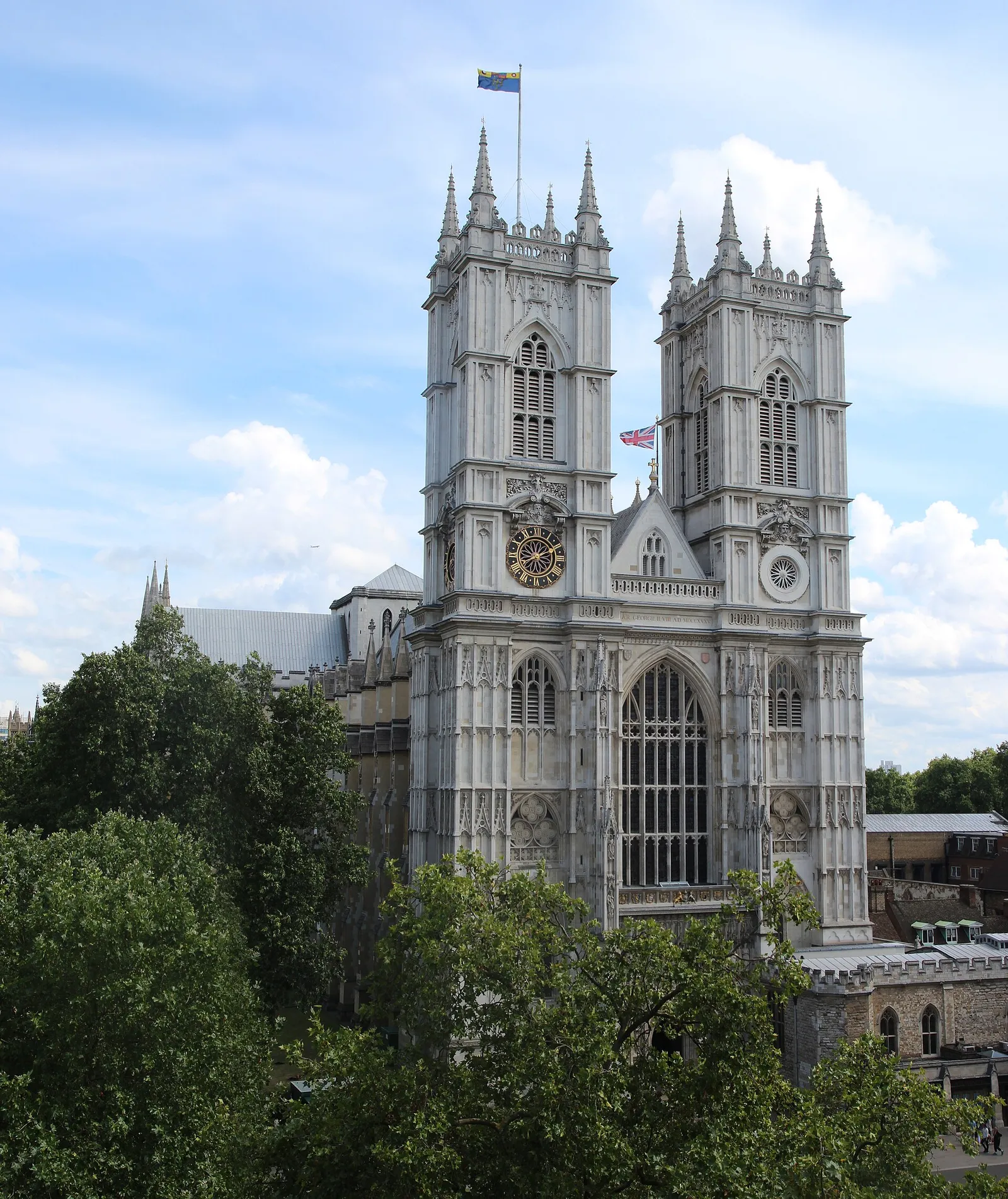
Westminster Abbey has been the coronation church of English and British monarchs since 1066, and many writers, scientists and statesmen are buried or commemorated there. Entry for sightseeing is paid, and audio guides are included, but you can attend a service for free.
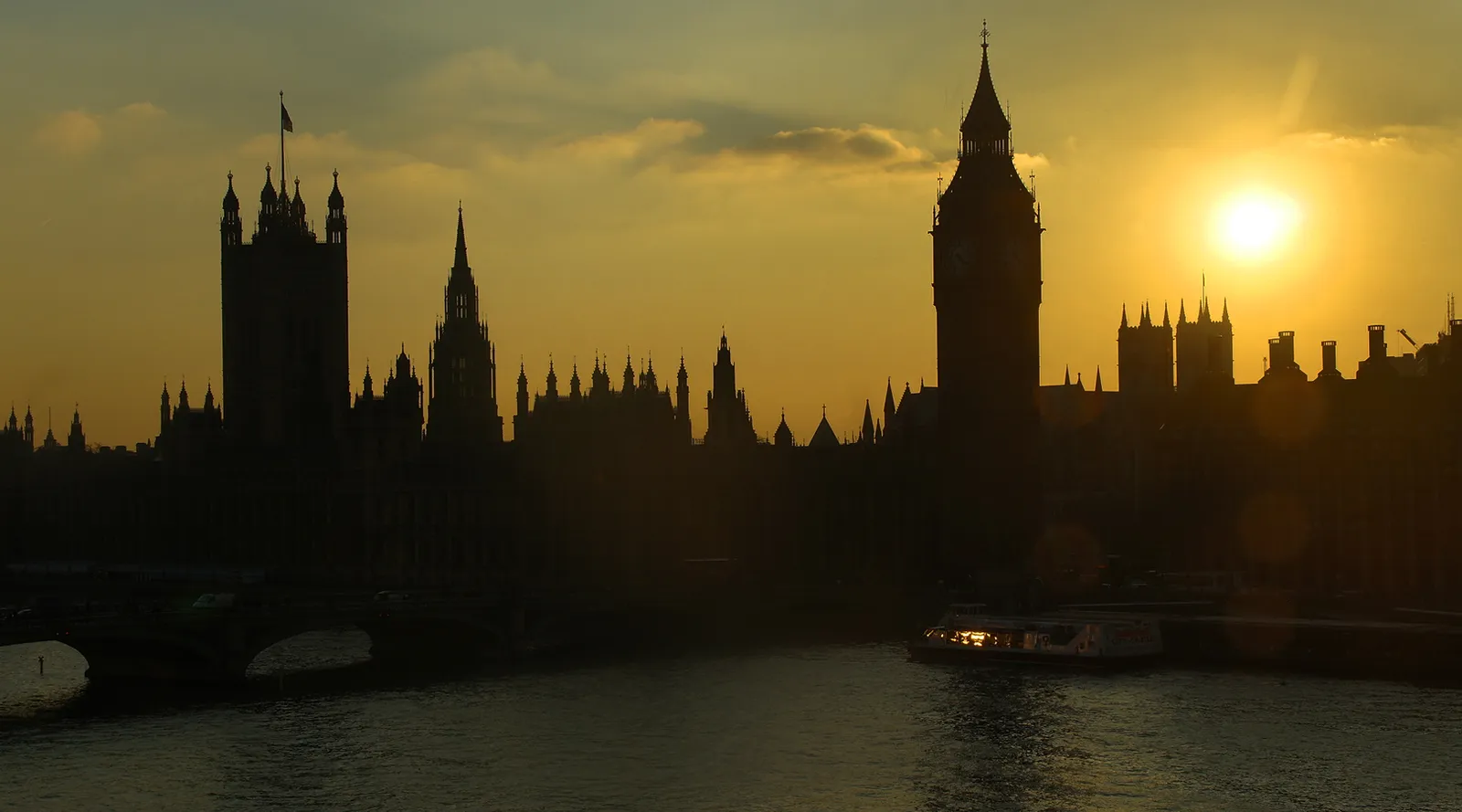
Next to the Abbey stands the Palace of Westminster, home of the UK Parliament, and its clock tower, the Elizabeth Tower, which is usually called Big Ben after the great bell inside. You can see it free from Parliament Square or from across the river on the South Bank, which gives the classic photo of the tower and the Houses of Parliament. If you want to go inside, visitors aged 11 and over can climb the Elizabeth Tower’s 334 steps on a guided tour, booked through the UK Parliament website. Tours of the rest of the Palace of Westminster are also sold there.
London Eye and Thames Cruise
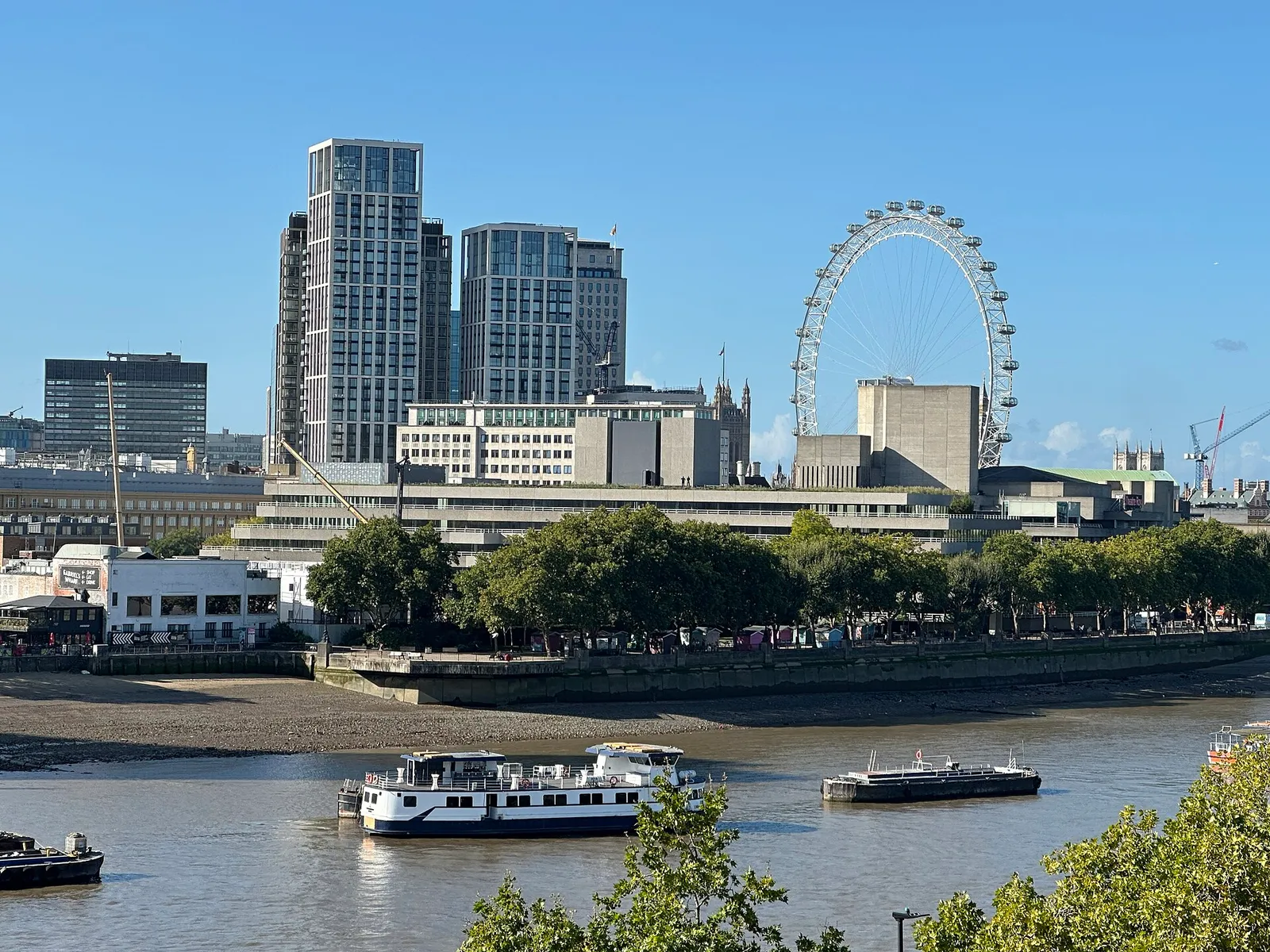
The London Eye is the giant observation wheel on the South Bank, opposite the Houses of Parliament. A full rotation takes about 30 minutes and gives views across the skyline to St Paul’s Cathedral and beyond on a clear day. Booking online in advance saves queuing, especially in summer, and an evening ride lets you watch the city light up.
A Thames boat trip is a relaxing way to see the riverside landmarks. Options range from hop-on, hop-off river buses to sightseeing cruises with commentary and dinner cruises at night, leaving from several piers along the river.
Unique and Different Experiences in London
Beyond the big landmarks, London has small courtyards, street-art spots and creative districts that show a different side of the city. They are usually free to visit and fit easily around the major sights.
Neal’s Yard in Covent Garden
Neal’s Yard is a small courtyard a few minutes’ walk from Covent Garden Piazza. Its buildings are painted in bright blues, yellows and reds, which makes it a favourite for photos, and it has cafés and independent food and wellness shops.
It is much calmer than the Piazza, so it makes a good place to stop for a coffee. Visit in daylight for the best photos. The entrance is tucked away off Short’s Gardens and Monmouth Street, so keep a map handy.
Leake Street Graffiti Tunnel
Leake Street runs under the tracks of Waterloo Station and is covered in graffiti. Banksy’s Cans Festival was held here in 2008, and the tunnel became a legal space for street artists, so the walls change constantly.
Entry is free and it takes only a few minutes to walk through. Combine it with a walk along the South Bank, which is just around the corner.
Shoreditch Street Art and Markets
Shoreditch, in East London, is known for its murals, independent shops and nightlife. Walls around the area are painted by local and international artists, and guided street-art walking tours run regularly.
The neighbourhood also has some of London’s best-known markets. Brick Lane’s Sunday market sells street food, vintage clothes and second-hand goods, and Old Spitalfields Market has fashion, design and food stalls through the week. In the evening, Shoreditch’s bars, pubs and music venues fill up, particularly at weekends.

Free and Budget-Friendly Experiences in London
London has a reputation for being expensive, but many of its best attractions cost nothing. The national museums and galleries are free to enter, as are the Royal Parks, so you can fill whole days without buying a ticket.
British Museum
The British Museum in Bloomsbury holds around eight million objects from across the world. Highlights include the Rosetta Stone, Egyptian mummies, the Parthenon sculptures and the glass-roofed Great Court. Entry to the permanent collection is free; some special exhibitions charge.
Allow at least two to three hours. The museum is busiest around late morning and at weekends, so weekday afternoons are often quieter.
Tate Modern and National Gallery
Tate Modern, in a former power station on the South Bank, shows modern and contemporary art, with works by artists including Picasso, Warhol and Hockney in its collection. Entry is free, and it sits beside the Millennium Bridge and Shakespeare’s Globe.
The National Gallery on Trafalgar Square covers European painting from the 13th to the early 20th century, including works by Leonardo da Vinci, Rembrandt and Van Gogh. It is also free to enter, though some exhibitions are ticketed. Both galleries are busiest at weekends.
Natural History Museum
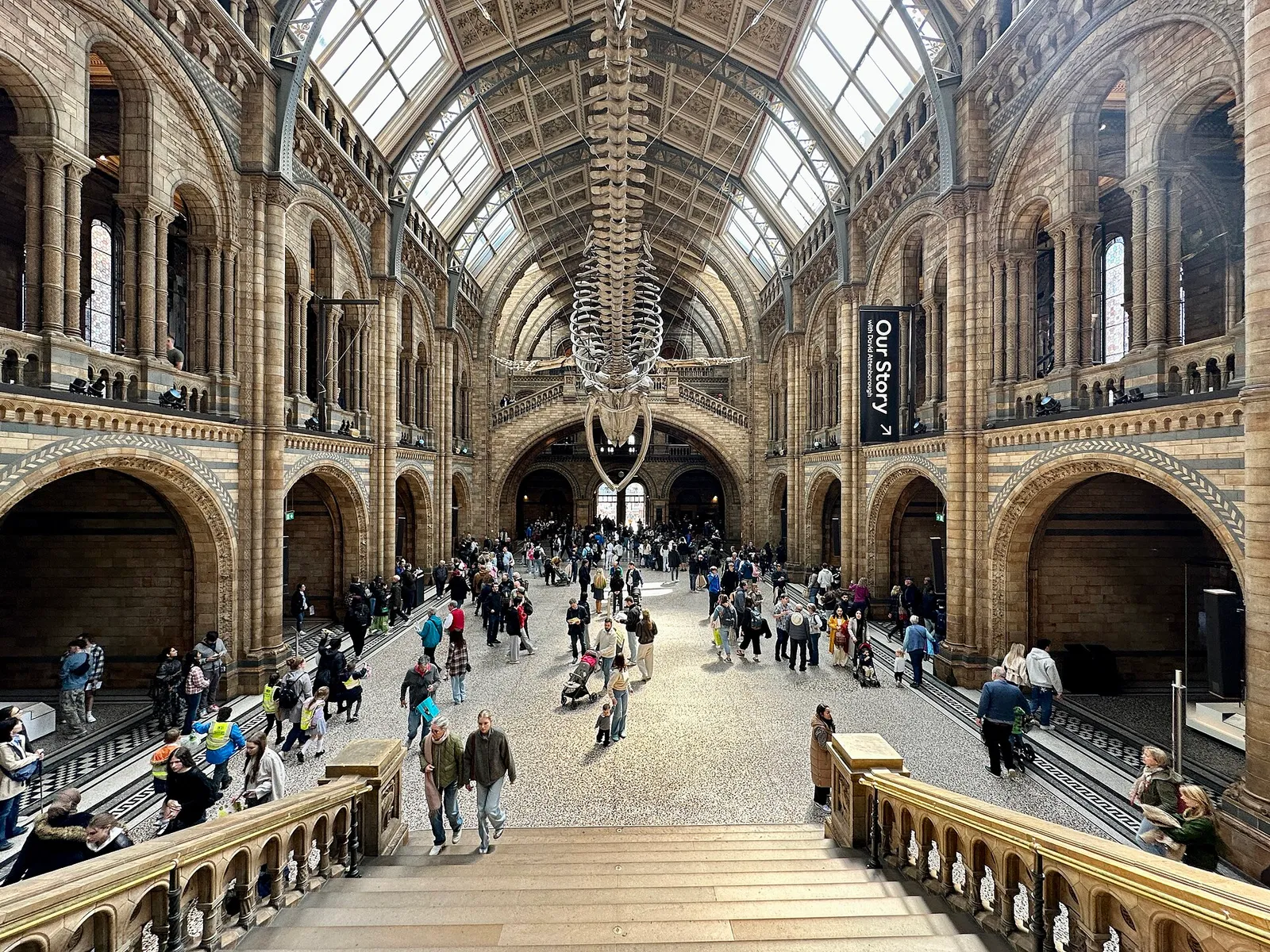
The Natural History Museum in South Kensington is a favourite with families. Its Romanesque building looks almost like a cathedral, and inside you will find dinosaur skeletons, the blue whale skeleton hanging in Hintze Hall and an earthquake simulator in the Volcanoes and Earthquakes gallery. Entry is free, with charges for some temporary exhibitions.
The Science Museum and the Victoria and Albert Museum are next door, so you can make a full day of the area. Weekends and school holidays are very busy; arrive at opening time on a weekday if you can.
Royal Parks
London’s eight Royal Parks are free to visit. In the centre, Hyde Park has the Serpentine lake, where you can hire a pedalo or rowing boat in season, and runs into Kensington Gardens. Regent’s Park has formal gardens and London Zoo in its northern corner. St James’s Park, beside Buckingham Palace and The Mall, has a lake with pelicans and views towards the palace, and Green Park is a quieter stretch of trees and lawns. The largest Royal Park is Richmond Park in south-west London, known for its herds of deer.
Spring and summer bring flowers and picnics, and autumn colour makes the parks worth a walk later in the year. Hyde Park also hosts large concerts and events in summer.
Sky Garden
The Sky Garden sits at the top of 20 Fenchurch Street, the building known as the Walkie Talkie, and gives panoramic views over the Thames, Tower Bridge and the Shard. Entry is free, but you need to book a time slot online, and slots go quickly, especially at weekends. There are also bars and restaurants inside if you want to stay for a drink.
Go around sunset for the city lights, or in daytime for the clearest view of the landmarks. Many paid viewpoints charge for a similar view, which makes the Sky Garden one of the best-value stops in the city.
Food and Markets in London
London’s markets combine food, shopping and people-watching in one place, and they are often the easiest way to try a lot of different cuisines in one go.
Camden Market
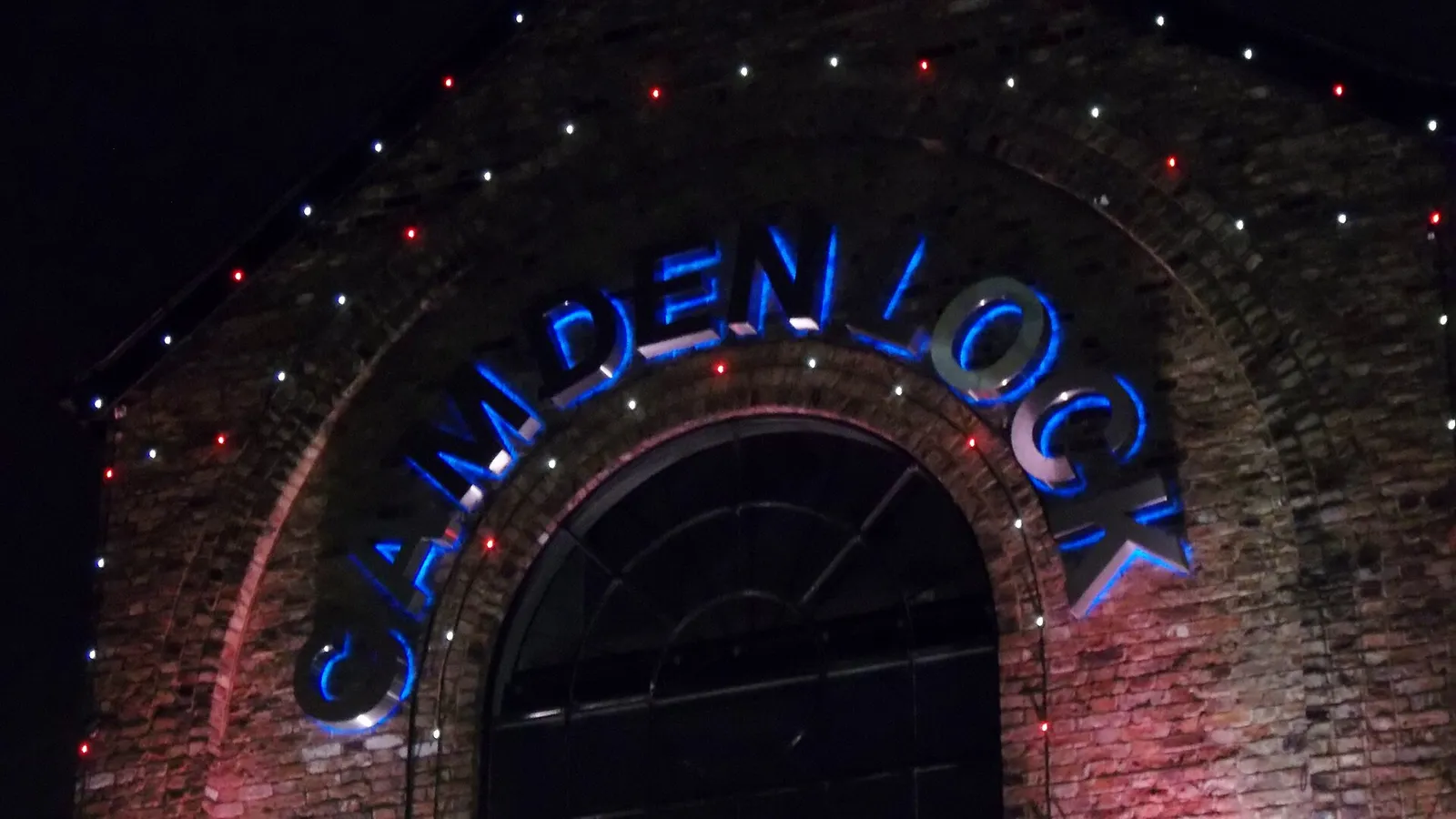
Camden Market is a cluster of markets by Camden Lock and the Regent’s Canal. It is known for international street food, vintage clothes, crafts and record shops, and it has a lively, alternative atmosphere.
The market is open daily. Weekends are very crowded, so a weekday visit is more relaxed. Eat by the canal, then walk along the towpath or into Regent’s Park nearby.
Borough Market
Borough Market, beside London Bridge, is one of London’s oldest food markets. Today it has traders selling bread, cheese, meat, fish, produce and sweets, plus street food and restaurants. Try Kappacasein’s toasted cheese sandwich, Brindisa for Spanish food or a crumble from Humble Crumble.
The market is closed on Mondays, so check the opening times before you go. Go hungry and share small dishes rather than one big meal. Southwark Cathedral and the Shard are next door.
Brick Lane
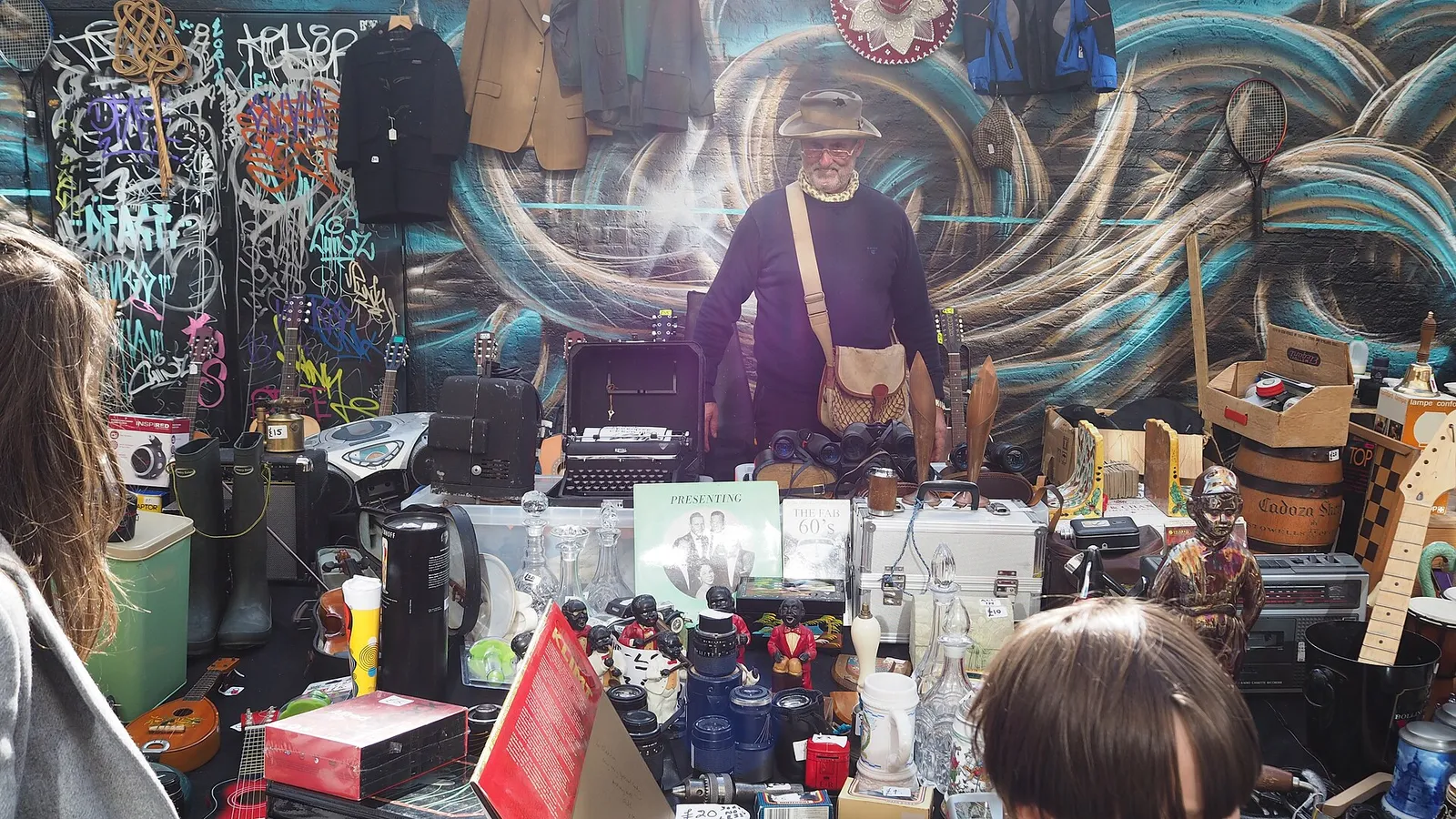
Brick Lane, in East London, is the centre of London’s Bangladeshi community and is lined with curry houses. On Sundays the street and the surrounding buildings host markets selling street food from around the world, clothes, antiques and vintage finds. The bagel shops at the northern end are a long-standing local favourite, and one is open around the clock.
Go in the late morning or early afternoon on a Sunday when the market is busiest. Some small stalls prefer cash, so carry a little just in case.
Nightlife and Entertainment in London
London’s evenings are as busy as its days, with theatre, music, bars and comedy across the West End and beyond. For a fuller look at evening options, see our guide to the best entertainment places in London.
West End Theatre Shows
The West End is London’s theatre district, with dozens of theatres around Soho, Covent Garden and Leicester Square. Long-running musicals include The Lion King at the Lyceum, Les Misérables at the Sondheim, Wicked at the Apollo Victoria and Hamilton at the Victoria Palace, alongside plays and new productions.
Ticket prices vary widely with the show, day and seat. The Official London Theatre ticket booth on the south side of Leicester Square sells tickets for shows across the West End, including on the day. Arrive 30 minutes before curtain up, and check the age guidance if you are bringing children.
Stand-Up Comedy
Live stand-up is one of the easiest nights out to plan in central London and usually costs much less than a West End seat. JK Comedy Club runs most of its shows at our Covent Garden venue at Arboretum on Charing Cross Road, two minutes from Leicester Square station. We also run Tuesday night and Saturday afternoon shows at our Soho venue downstairs at The Spice of Life, and a Saturday afternoon show at our Leicester Square venue.
Each show has a host and a lineup of professional comedians. Shows are for ages 18 and over, and prices depend on the day and time. Our guide to comedy clubs in London explains the shows in more detail, and What’s On lists every date on sale.
Rooftop Bars and Late-Night Drinks
Rooftop bars give you London at night from above. Options include the bars inside the Sky Garden, Madison on the roof of One New Change beside St Paul’s, and Radio Rooftop at the top of ME London on the Strand.
Expect higher prices than in a pub. Many rooftops recommend booking at weekends and some have dress codes, so check before you go. For a cheaper view, book an evening slot at the Sky Garden.
Explore by Neighbourhoods in London
London is a patchwork of districts, each with its own character. Planning your days by area cuts travel time and helps you see more than the big landmarks.
Westminster and South Bank
Westminster is the political and royal heart of London, with Big Ben, the Houses of Parliament and Westminster Abbey. Across Westminster Bridge, the South Bank has the London Eye, street performers, the Southbank Centre and a long riverside walk east towards Tate Modern.
Start early, as the landmarks get busy by mid-morning. The walk along the South Bank from Westminster Bridge gives some of the best views of Parliament and the river.
Camden and Hampstead
Camden is known for its market, music venues and alternative style, with a quieter side along the Regent’s Canal. A short trip north, Hampstead feels like a village, and Hampstead Heath is one of London’s largest open spaces, with views across the city from Parliament Hill.
Visit Camden in the day for the market and stay into the evening for live music. Hampstead Heath is free and good for a picnic or a long walk.
Shoreditch and Hackney
Shoreditch has street art, independent shops and some of East London’s busiest bars. Brick Lane is on its doorstep, and Hackney, just to the north, has more pubs, music venues and restaurants. The area is more relaxed than the West End and suits anyone who enjoys a creative, local feel.
Weekends are best for the markets but busy. Evenings are lively, particularly from Thursday to Saturday.
South Kensington and Chelsea
South Kensington is home to the Natural History Museum, the Science Museum and the Victoria and Albert Museum, all free to enter. Chelsea, next door, has smart shops, cafés and quiet residential streets around the King’s Road.
Allow at least half a day for the museums and combine them with a walk in Hyde Park or Kensington Gardens.
Practical Travel Tips for Tourists in London
A little preparation saves time and money in London, especially around transport and booking popular attractions.
Getting Around London
London’s transport network includes the Underground (the Tube), buses, the Overground, the Elizabeth line and national rail. The easiest way to pay is with a contactless bank card, phone or Oyster card, which charge lower fares than paper single tickets and are capped daily. Buses need just one tap when you board.
From Heathrow, the Elizabeth line, the Heathrow Express and the Piccadilly line are usually quicker and cheaper than a taxi. In central London, walking is often the fastest option between nearby sights. Citymapper and Google Maps are useful for routes and live delays.
Common Mistakes to Avoid
On Tube escalators, stand on the right and walk on the left. Book ahead for popular attractions such as the London Eye, the Tower of London and the Sky Garden, especially in summer and school holidays.
Eating only around the biggest landmarks can be expensive, so try neighbourhoods such as Camden, Shoreditch or Brixton for better-value food. Carry a small umbrella or a light waterproof, as the weather changes quickly, even in summer.
Best Times to Visit
Spring and summer bring long days, outdoor events and the parks at their best, but also the biggest crowds. Autumn is quieter, with good colour in Hyde Park and Regent’s Park. Winter is colder but has Christmas markets, lights and seasonal shows.
Rain is possible at any time of year, but many of London’s main attractions, such as museums, galleries and theatres, are indoors. Book popular summer events well in advance.
Sample London Itineraries
Grouping sights by area is the easiest way to make the most of your time. These outlines show how the places above fit together for short and longer stays. For a fuller day-by-day plan with food stops and evening ideas, see our three-day London itinerary.
2 Days in London
On Day 1, start at the Tower of London and Tower Bridge, then walk west along the South Bank past Borough Market, Shakespeare’s Globe and Tate Modern. Finish with the London Eye at sunset or an evening comedy show in Covent Garden. On Day 2, see the Changing of the Guard at Buckingham Palace (on a ceremony day), then walk to Westminster Abbey and Big Ben. Spend the afternoon at Trafalgar Square and the National Gallery and end with a stroll through Covent Garden.
4 Days in London
Follow the two-day plan first. On Day 3, visit Camden Market, walk along the canal to Regent’s Park and spend the evening at a music venue or rooftop bar. On Day 4, start at the British Museum, walk down to Covent Garden for lunch, then spend the afternoon at the V&A or the Natural History Museum in South Kensington, with dinner in Chelsea or Kensington.
7 Days in London
Follow the four-day plan for the first part of your stay. On Day 5, explore Shoreditch and Brick Lane and stay for East London’s nightlife. Use Day 6 for a day trip to Windsor, Oxford or Bath. On Day 7, relax in Hyde Park, visit Kensington Palace and finish with shopping on Oxford Street or Regent Street.
Conclusion – Make the Most of Your London Trip
London rewards a balanced plan: a few of the big landmarks, the free museums and parks, a market or two and a neighbourhood that feels less touristy. Group your days by area, book the popular attractions ahead and leave time to wander.
For an evening out, the West End has theatre, bars and live comedy within a few minutes’ walk of each other. Check What’s On for our latest comedy dates and book the night that suits your trip.